 The University of Nantes is hosting an online seminar with Julien Longhi on 21 May 2021 at 14.00 -16.00 CET. He will present the debate in France surrounding the use of forensic linguistics in the “Petit Grégory” case.
This is the closing seminar of the 2021 “Séminaire francophone tournant de jurilinguistique” series.
 By popular demand, following on the success of the two WordstoDeeds Conferences, I’m delighted to announce a series of online Masterclasses for 2021.
 The European Parliament has decided to organise an open competition for the Directorate-General for Translation. The competition notice covers 10 languages: Spanish, Danish, German, Estonian, Greek, Irish, Italian, Dutch, Portuguese, and Finnish.
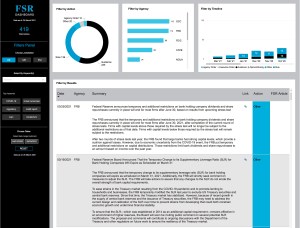 The international law firm White & Case makes available a Dashboard to track major financial regulatory developments in the jurisdictions of the United States, the United Kingdom, and the European Union.
 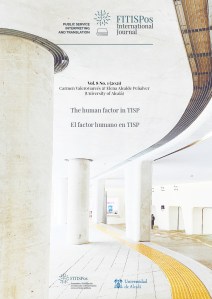 I am pleased to pass on a call for papers relating to a special issue of FITISPos International Journal, guest edited by
  We are on a theme here, between
  I’ve discovered a very clear introductory guide for translators to the new tools of the European Patent Office (EPO) database. It is a recap of “Befriending the new Espacenet tools for patents translation”, a session at the last ATA conference.
 As you can see, I’m rolling with the intellectual property theme this week. If you translate any matters to do with IP, the blog IP Kat is a sine qua non. It is ranked “Most Popular Intellectual Property Law Blawg” and “Most Popular Copyright Blawg” of all time according to Justia rankings of March 2021.
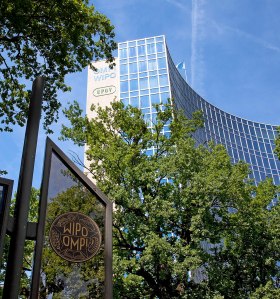 The World Intellectual Property Organization in Geneva makes available a Patent Cooperation Treaty Glossary.
 From Words to Deeds: translation & the law
You must be logged in to post a comment.